

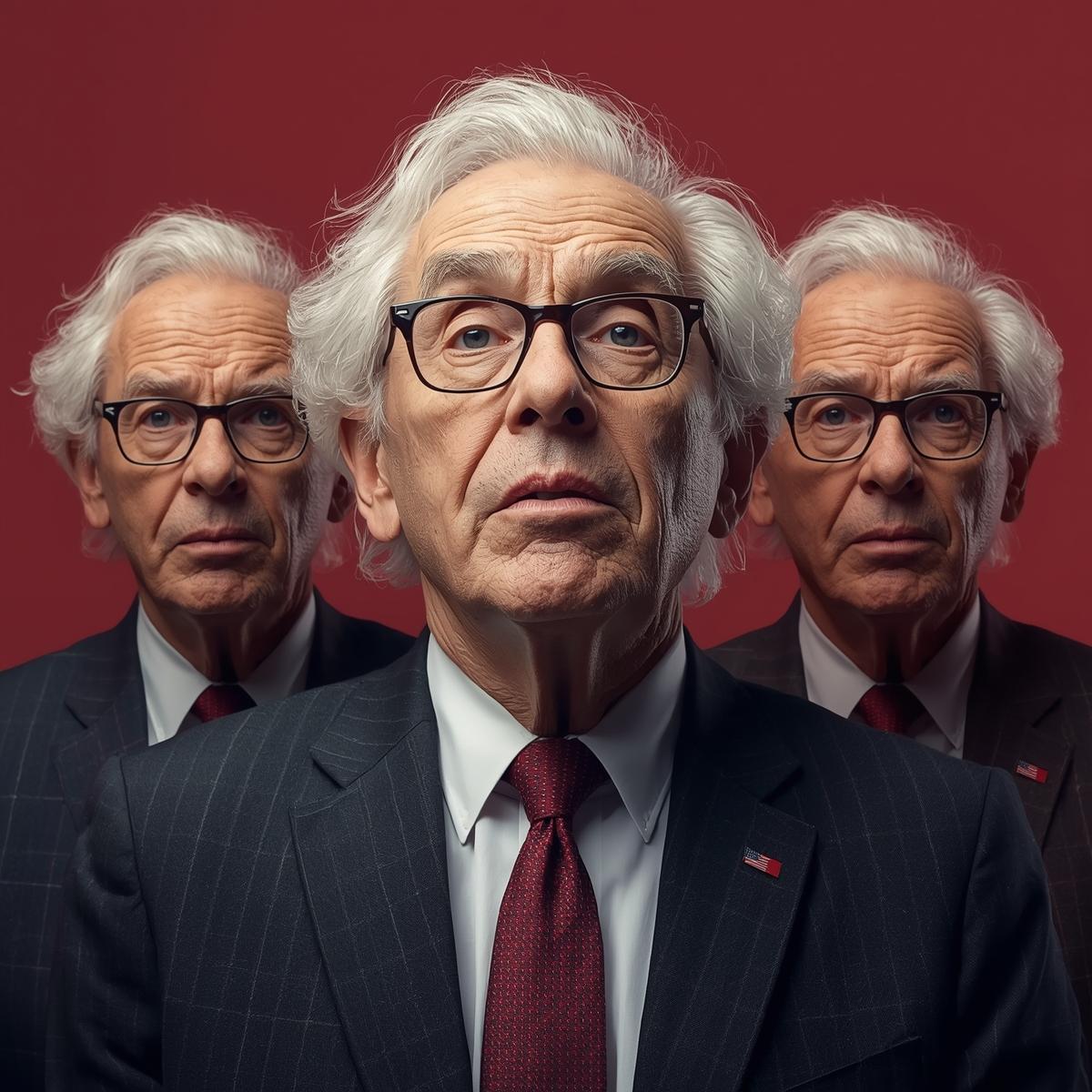
Older people have always been considered the backbone of society, as they carry experience, wisdom, and cultural values passed down through generations. Respecting elders is not only a moral responsibility of the younger generation but also a key element in maintaining social harmony. However, in many parts of the world today, there is a noticeable decline in the respect shown to senior citizens. This essay will examine the main reasons behind this negative attitude and discuss its possible consequences for individuals and society as a whole.
One of the most significant reasons for the lack of respect toward older people is the rise of materialism in modern society. In today’s fast-paced world, success is often measured by wealth, career achievements, and social status. Younger generations are under constant pressure to earn more money and maintain a comfortable lifestyle. As a result, relationships, especially with elderly family members, may become a lower priority. Many young adults spend most of their time at work or pursuing personal goals, leaving little room for meaningful interaction with older relatives. This lack of attention can make senior citizens feel ignored, unimportant, and emotionally distant from their families.
Another important factor contributing to this issue is the increasingly busy lifestyle of modern life. Technological advancement and urbanization have made life faster but also more stressful. Long working hours, academic pressure, and constant digital engagement reduce opportunities for face-to-face communication. In many households, younger family members are more engaged with smartphones and social media than with their elders. Consequently, older people may feel excluded from daily conversations and decision-making processes. Over time, this emotional gap can turn into a lack of empathy and respect.
Changing cultural values also play a crucial role in reducing respect for senior citizens. In traditional societies, elders were highly respected and often consulted for advice on family and social matters. They were seen as symbols of wisdom and moral authority. However, modern culture emphasizes independence, individualism, and self-reliance. Younger people now rely more on the internet, professional experts, and modern education rather than the experience of older generations. This shift has reduced the influence of elders in family structures and weakened intergenerational bonds.
Furthermore, the decline of joint family systems has intensified this problem. In the past, extended families lived together, allowing daily interaction between young and old members. Today, nuclear families are more common, especially in urban areas. Many elderly people live alone or in old-age homes, separated from their children and grandchildren. This physical distance often leads to emotional detachment, making it easier for younger generations to overlook the needs and feelings of older people.
The consequences of disrespect toward senior citizens are serious and far-reaching. On a personal level, elderly individuals may experience loneliness, depression, and anxiety due to social isolation. Feeling unwanted or ignored can negatively affect their mental health and, in some cases, worsen physical health conditions. Older people who lack emotional support may also lose confidence and self-worth, which can significantly reduce their quality of life.
On a broader social level, a lack of respect for elders can weaken the moral foundation of society. Older generations possess valuable life experiences, historical knowledge, and ethical understanding that cannot be learned from books alone. When society fails to value its elders, it risks losing this wisdom, leading to poor decision-making and a decline in moral values. Moreover, the absence of strong intergenerational relationships can create misunderstandings and conflicts between age groups, reducing social unity and cooperation.
In addition, ignoring the needs of senior citizens may place a greater burden on social welfare systems. When families fail to support their elders, governments and institutions must step in to provide healthcare, housing, and emotional support. This increases economic pressure and highlights the long-term impact of weakened family responsibilities.
In conclusion, the decline in respect for older people is mainly caused by materialistic attitudes, busy modern lifestyles, changing cultural values, and the breakdown of traditional family systems. This lack of respect not only harms the emotional and physical well-being of senior citizens but also threatens social harmony and moral values. To address this issue, individuals, families, and communities must make conscious efforts to reconnect with and honor older generations. Encouraging family interaction, promoting cultural values that emphasize respect, and involving elders in social activities can help restore balance. Respecting older people is not merely a tradition but a necessity for building a compassionate, stable, and respectful society.
For more information contact us